
Sleep Hygiene Checklist: A Science-Based Guide to Rest
Sleep is not passive rest — it is an active process of brain restoration. This science-based checklist covers the habits and environment changes that can support better sleep quality naturally.
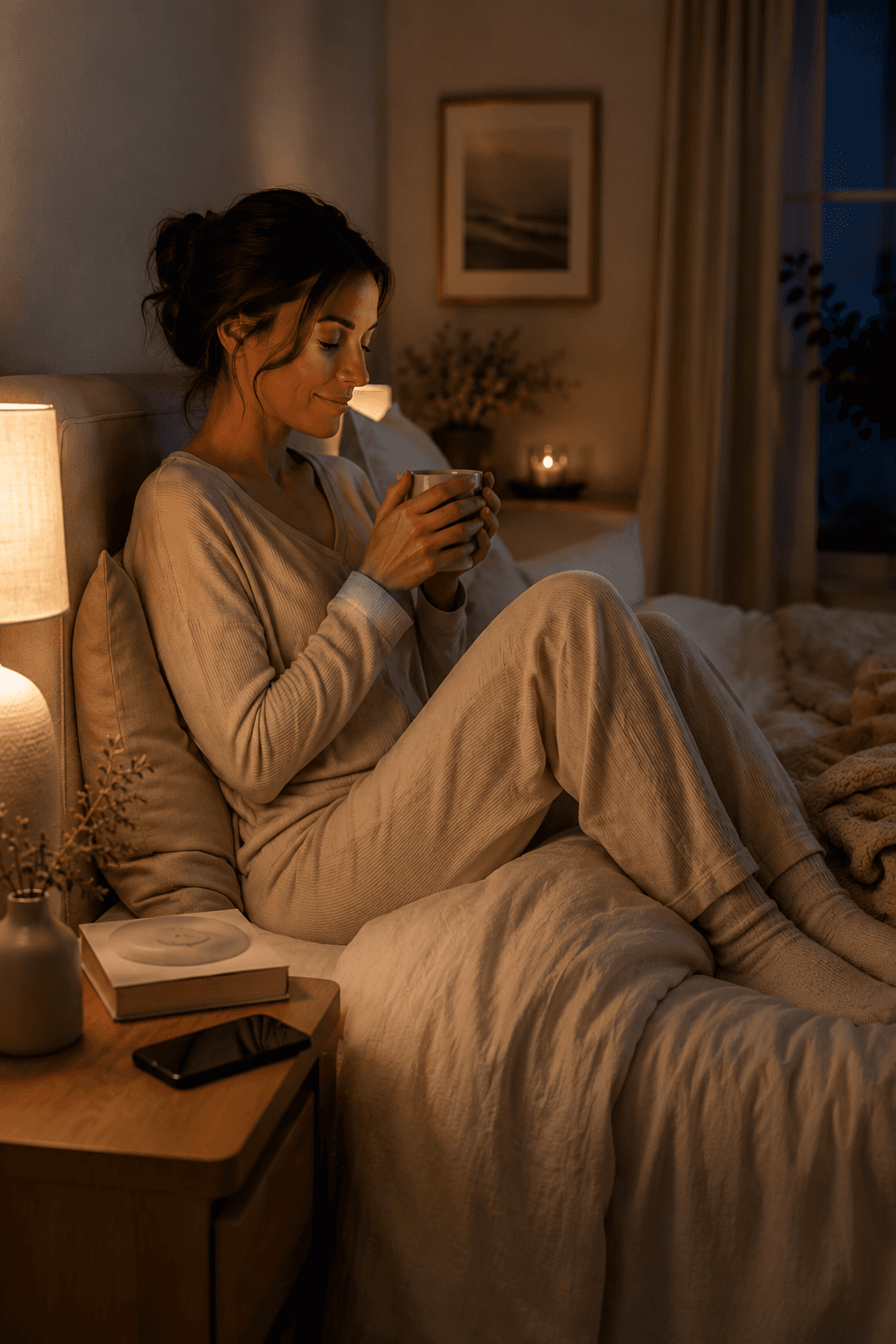

For many years, sleep was often viewed as a passive state of rest. However, modern research has established that sleep is actually a vital process for your body and mind. During sleep, your body undergoes essential functions that support brain restoration and regulation. These processes are critical for your emotional well-being, cognitive function, and long-term health.
Despite its importance, 1 in 3 U.S. adults reports not getting enough rest or sleep every day. Chronic sleep deficiency is associated with a higher risk for serious conditions, including high blood pressure, diabetes, and heart disease. Improving your "sleep hygiene" — the collection of habits and environmental factors that surround your rest — is one of the most effective ways to support better sleep quality naturally.
Why Sleep is Vital for Brain Restoration and Regulation
While you sleep, your brain is active in ways that are necessary for healthy functioning. Sleep supports the processing of information and the maintenance of critical neural pathways. Inadequate sleep disrupts these processes, which can impair your ability to learn, focus, and react quickly. It may also impact your social health; some research suggests that sleep deficiency can make it harder to judge other people's emotions and may lead to increased frustration or worry in social situations.
How to Sleep Better Naturally: Setting the Stage
Improving your sleep often begins with aligning your lifestyle with your body's internal clock, or circadian rhythm. These natural rhythms regulate your sleep-wake cycle over a 24-hour period. When your daily habits are misaligned with this clock, you may find it more difficult to fall or stay asleep.
To sleep better naturally, focus on consistency. Going to bed and waking up at the same time every day — including weekends — helps reinforce your body's natural cycle. This regularity can support your overall sleep quality and help you feel more refreshed during the day.
Tips for Falling Asleep Faster
If you find yourself lying awake at night, these science-based tips may help you transition to sleep more quickly:
- Dim the Lights: Exposure to bright light in the evening can suppress melatonin, a hormone that signals to your body that it is time for sleep. Try dimming your room lights in the hour before bed.
- Create a Tech Curfew: The blue light from smartphones, tablets, and computers can interfere with your sleep. Turning off electronic devices at least 30 minutes before bedtime may help you fall asleep faster.
- Watch Your Intake: Caffeine is a stimulant that can stay in your system for several hours, so it is best avoided in the afternoon and evening. Similarly, while alcohol may make some people feel sleepy initially, it often leads to interrupted and poor-quality sleep later in the night.
- Try Relaxation Techniques: Practices such as deep breathing or progressive muscle relaxation may help prepare your body for rest.
Your Sleep Hygiene Checklist
Use this checklist to audit your environment and habits for better rest:
- Stick to a schedule: Aim to go to bed and wake up at the same time daily.
- Optimize your bedroom: Keep your sleeping area quiet, dark, and at a cool temperature.
- Set a screen curfew: Turn off electronics at least 30 minutes before bed.
- Watch your evening meals: Avoid large, heavy meals right before bedtime.
- Limit stimulants: Avoid caffeine in the late afternoon and evening.
- Move during the day: Regular physical activity can support better sleep, but try to avoid vigorous exercise too close to bedtime.
- Get natural light: Exposure to sunlight during the morning and day helps regulate your internal clock.
What the Research Says
Research from health organizations consistently indicates that most adults need 7 or more hours of sleep per night for optimal health. Studies have identified that both very short and very long sleep durations are associated with a higher risk for health problems, a pattern often described as a "U-shaped" relationship. While some people try to catch up on sleep over the weekend, research findings vary depending on the person and study design regarding how well this restores baseline functioning.
Safety and When to Get Professional Advice
While sleep hygiene habits are helpful for many, they cannot replace a professional medical diagnosis and treatment for underlying sleep disorders.
Talk to your healthcare provider if you regularly experience:
- Loud snoring or gasping during sleep, which may be signs of sleep apnea.
- Difficulty falling or staying asleep despite having a good sleep environment.
- Feeling excessively tired or sleepy during the day even after getting enough sleep.
- An irresistible urge to move your legs in the evening.
Educational Disclaimer
This content is for informational and educational purposes only. It is not intended as medical advice and does not replace professional consultation. Always speak with a qualified healthcare provider before making changes to your health routine.
Questions About This Topic
Sources & Further Reading
A Practice to Try
A short guided practice connected to this topic.
Nervous System Reset | Guided Breathwork
Beginner
A guided breathwork practice designed to help you explore short, intentional breathing patterns and return to a calmer state. This practice may support a sense of reset and nervous system awareness.
This practice is for educational purposes only and is not medical advice. If you feel unwell or have a medical condition, consult a qualified healthcare professional before starting any new practice.
Related Reading
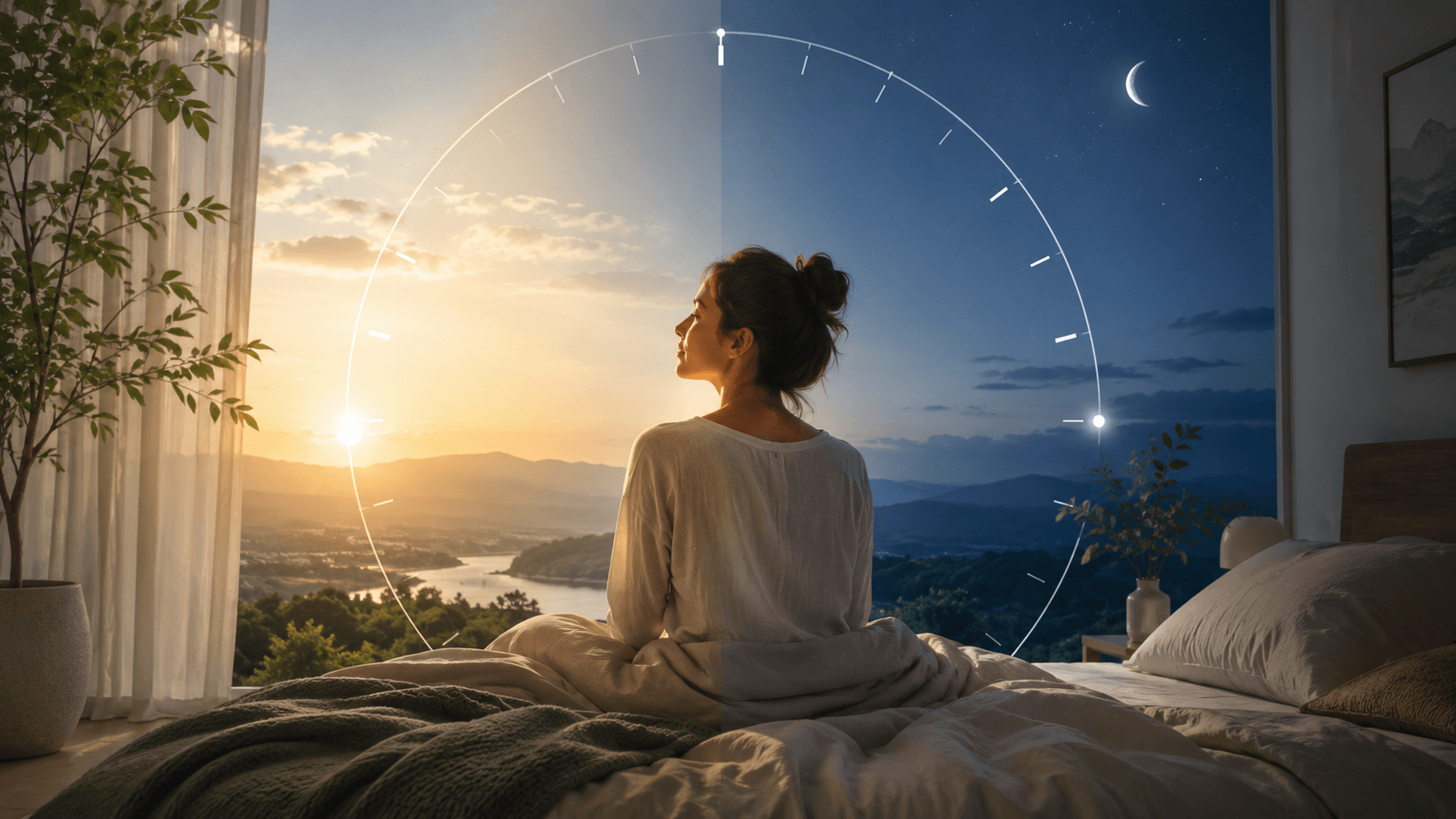
The Internal Clock: How Your Circadian Rhythm Controls Sleep
Your body follows an internal rhythm that helps shape when you feel alert and when you begin to slow down. Learn how light, timing, and daily habits may support a steadier sleep-wake cycle.

Caffeine and Sleep: How Timing Can Affect Your Night
Caffeine can affect sleep even when falling asleep does not feel difficult. Learn how timing, quantity, and individual sensitivity may shape the quality of your night.

Evening Light and Melatonin: Why Your Screen Habits Matter
Evening light can affect the body's transition toward sleep. Learn how screens, brightness, and late-night content may shape your rest — and how to create a softer landing into the night.

Continue exploring
Discover guides, supplements, books, and practical resources for stress & mental balance.