
The Relaxation Response: Techniques to Support Daily Balance
Chronic stress wears on the body over time. The relaxation response is your body's built-in counterbalance — and with the right techniques, you can learn to activate it consistently.
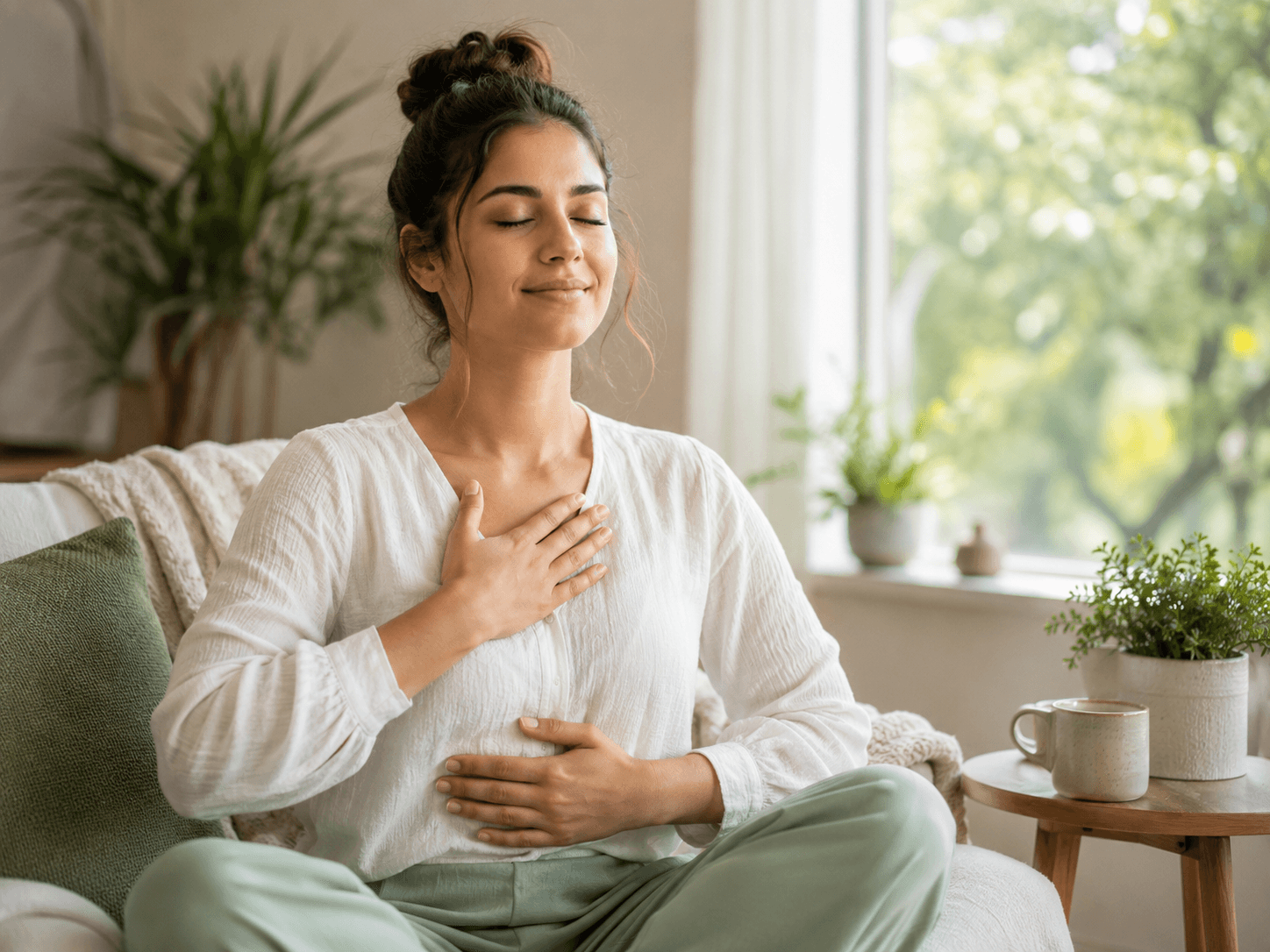
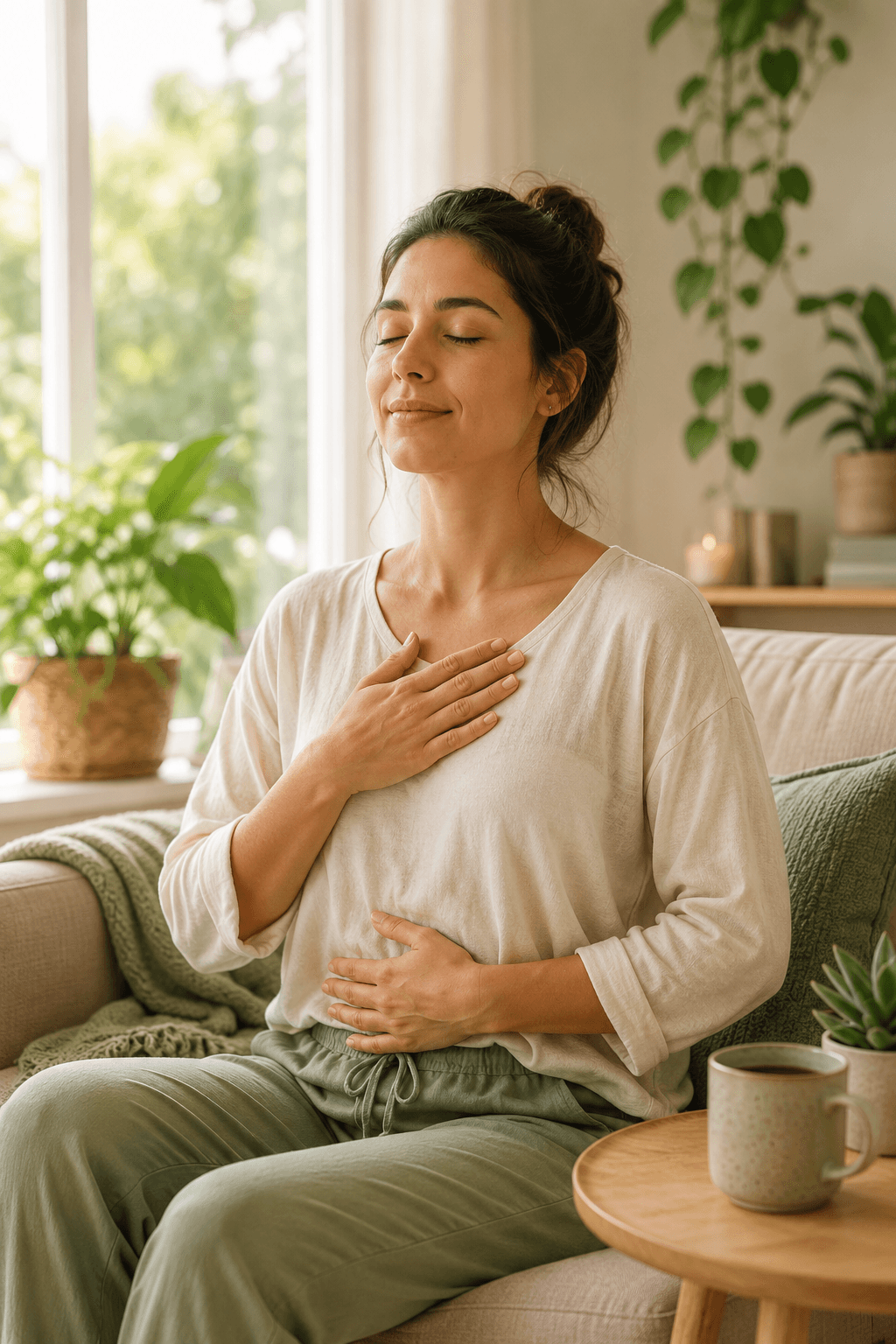
Stress is a common physical and emotional reaction to life's many challenges. When you encounter a demanding situation, your body releases hormones that prepare you to face the pressure. While occasional stress is a normal part of life, long-term or chronic stress contributes to what researchers call "allostatic load" — the cumulative wear and tear on the body. Over time, this ongoing pressure may impact your cardiovascular health and immune function.
Fortunately, many people have access to a built-in "stress reset button" known as the relaxation response. In contrast to the body's stress reaction, the relaxation response is a state of deep rest that may slow the heart rate and lower blood pressure. By incorporating certain stress relief techniques into your routine, you may support your body's ability to return to a state of balance.
Understanding the Relaxation Response
The relaxation response is a physiological state that acts as the opposite of the "fight-or-flight" response. Some research suggests that eliciting this response through intentional mind-body practices may support relaxation and help some people feel calmer. Unlike passive rest, this state is often achieved through focused attention or quiet awareness.
Evidence-Based Stress Relief Techniques
There are several natural ways to support your body's relaxation response. These techniques are often suggested by health professionals to help manage the feelings associated with daily pressure.
- Deep Breathing: Also known as diaphragmatic breathing, this involves slow, intentional breaths. Some studies suggest this practice may modestly lower blood pressure.
- Progressive Muscle Relaxation (PMR): This technique involves systematically tensing and then releasing different muscle groups. Research indicates it may support relaxation and support a positive mood for some individuals.
- Mindful Movement: Practices such as Tai Chi and Yoga blend physical postures with focused attention. These activities may help reduce perceived stress and improve overall feelings of well-being.
- Meditation: Mindfulness involves keeping your awareness on the present moment without judgment. Some research suggests these practices may be a helpful tool for managing feelings of stress and anxiety.
How to Reduce Stress Naturally Through Daily Habits
Managing stress is often about the small, consistent choices you make throughout your day. The Centers for Disease Control and Prevention (CDC) suggests several daily habits that may support mental quiet:
- Take Breaks from Media: Constant exposure to negative news can be upsetting. Setting limits on social media and news consumption may support a sense of calm.
- Connect with Nature: Spending time outdoors, whether you are active or simply resting, may help lower stress levels for some people.
- Prioritize Social Connection: Talking with people you trust about your concerns can help you process your feelings and support your emotional well-being.
- Practice Gratitude: Reminding yourself of specific things you are grateful for each day may improve your outlook and support your resilience.
Daily Stress Management Tips for Everyday Balance
Consistency is key when building a stress management routine. You do not necessarily need hours of free time to notice a difference; even brief periods of intentional relaxation may be helpful.
Finding a combination of techniques that works for you is a personal process. For some, a brisk walk provides a mood-lifting effect. For others, a quiet session of deep breathing before bed may support the transition from the demands of the day to a restful night.
What the Research Says
Research supported by the National Center for Complementary and Integrative Health (NCCIH) indicates that mind-body approaches can be useful tools for wellness. For instance, mindfulness meditation has been studied as a way to manage symptoms of stress, with some research suggesting it may be more effective than receiving no treatment at all. Additionally, slow breathing has been shown in some studies to support heart rate variability, which is an indicator of how your body recovers from stress.
Practical Tips for Daily Balance
- Set a "Media Curfew": Consider turning off news and social media at least an hour before bed to help your mind unwind.
- Use Breathing as a Reset: When you feel a surge of tension, taking a few slow, deep breaths may support a sense of calm.
- Schedule "Unwind Time": Dedicate a small portion of your day to an activity you enjoy, such as reading or gardening.
- Move Your Body: Aim for regular physical activity, which may support your body's ability to cope with daily stressors.
Explore further: complete guide to stress and daily balance
Safety and When to Get Professional Advice
Relaxation techniques and mind-body practices are generally considered safe for healthy people. However, research findings vary depending on the person, and some individuals may occasionally experience negative effects, such as increased anxiety or intrusive thoughts.
If you have a chronic health condition, such as high blood pressure, it is important to continue following the medical treatment plan prescribed by your healthcare provider. Relaxation techniques should be used as a support to, not a replacement for, professional medical care.
Seek professional help if:
- Your stress feels overwhelming or persistent.
- Stress significantly interferes with your work, relationships, or daily functioning.
- You are experiencing ongoing symptoms of anxiety or depression.
Educational Disclaimer
This content is for informational and educational purposes only. It is not intended as medical advice and does not replace professional consultation. Always speak with a qualified healthcare provider before making changes to your health routine.
Questions About This Topic
Sources & Further Reading
- National Center for Complementary and Integrative Health — Relaxation Techniques: What You Need To Know (opens in new tab)
- Centers for Disease Control and Prevention — Coping with Stress (opens in new tab)
- National Center for Complementary and Integrative Health — Mindfulness Meditation: In Depth (opens in new tab)
A Practice to Try
A short guided practice connected to this topic.
Focus Reset
Beginner
A short attention exercise with three gentle phases — settle, follow, and return — designed to help bring your awareness to the present moment.
This practice is for educational purposes only and is not medical advice. If you feel unwell or have a medical condition, consult a qualified healthcare professional before starting any new practice.
Related Reading

How Your Nervous System Responds to Stress
Your nervous system is not broken — it is doing exactly what it was designed to do. Understanding its two main modes and how to shift between them is one of the most useful things you can learn.
Daily Habits for a Calmer Nervous System
You cannot think your way to a calmer nervous system. But you can build it — through small, consistent daily habits that signal safety to your body and gradually shift your baseline.
Breath Work 101: A Beginner's Guide to Conscious Breathing
Breathing is both automatic and voluntarily adjustable. This beginner's guide explains how gentle breathing practices may support stress regulation, heart rhythm and body awareness — without forcing the breath or chasing a perfect technique.

Continue exploring
Discover guides, supplements, books, and practical resources for stress & mental balance.